


Harnessing Brain Plasticity for Innovative Treatment Approaches in Neuroscience and Therapy

Updated: May 5
The human brain has an extraordinary ability to adapt and change throughout life. This capacity, known as brain plasticity or neuroplasticity, is reshaping how professionals approach treatment for brain-based disorders and diseases. Recent advances in neuroscience—from fundamental studies to integrative and cognitive research—are revealing new ways to harness this plasticity for therapeutic benefit. This article explores how understanding the neurological basis of training-driven neuroplasticity is transforming treatment strategies, setting them apart from traditional behavioral therapies and pharmaceutical approaches. We will also discuss why neuroplasticity-based treatments are likely to become a cornerstone of future neurological and psychiatric care.
Understanding Brain Plasticity and Its Neurological Foundations
Brain plasticity refers to the brain’s ability to reorganize itself by forming new neural connections. This process allows the brain to compensate for injury, adapt to new experiences, and improve function through learning and training. Neuroplasticity occurs at multiple levels, including:
Synaptic plasticity: Changes in the strength of connections between neurons.
Structural plasticity: Growth of new neurons and dendrites.
Functional plasticity: Shifts in brain activity patterns to support recovery or learning.
Training-driven neuroplasticity specifically involves targeted activities or exercises that stimulate these changes. For example, repetitive motor practice after a stroke can help rewire damaged brain areas to restore movement. Cognitive training exercises can enhance memory and attention by strengthening relevant neural circuits.
Recent neuroscience research has identified key mechanisms behind these changes, such as long-term potentiation (LTP), neurogenesis in certain brain regions, and the role of glial cells in supporting neural remodeling. Understanding these mechanisms provides a scientific foundation for designing therapies that actively promote brain rewiring rather than merely managing symptoms.
How Neuroplasticity-Based Treatments Differ from Traditional Therapies
Traditional clinical therapies for brain disorders often focus on behavioral interventions. These include psychotherapy, physical rehabilitation, and cognitive-behavioral therapy. While effective to some extent, these approaches primarily aim to modify behavior or compensate for deficits without directly targeting the underlying neural changes.
Neuroplasticity-based treatments take a different approach by explicitly aiming to change brain structure and function. This involves:
Personalized training protocols based on individual brain imaging and cognitive profiles.
Intensive, repetitive exercises designed to stimulate specific neural pathways.
Use of technology such as virtual reality, brain-computer interfaces, and neurofeedback to enhance engagement and precision.
For example, in patients with traumatic brain injury, neuroplasticity-guided therapy might combine physical exercises with real-time brain activity monitoring to optimize recovery. In psychiatric conditions like depression, cognitive training paired with brain stimulation techniques can help rewire dysfunctional circuits.
This neuroscience-guided perspective moves beyond symptom management to address root causes at the neural level, offering the potential for more durable and meaningful improvements.
Contrasting Neuroplasticity Treatments with Pharmaceutical Models
Pharmaceutical treatments dominate many neurological and psychiatric domains. Medications often target neurotransmitter systems to alleviate symptoms such as anxiety, mood disturbances, or motor dysfunction. While drugs can provide rapid relief, they rarely induce lasting brain changes and may come with side effects.
Neuroplasticity-based therapies offer a complementary or alternative path by promoting the brain’s own capacity to heal and adapt. Key differences include:
Mechanism of action: Drugs modulate chemical signaling; neuroplasticity treatments reshape neural circuits.
Duration of effects: Medication effects often require ongoing use; neuroplasticity changes can persist after training ends.
Side effect profiles: Behavioral and training-based approaches generally have fewer adverse effects.
Patient engagement: Neuroplasticity therapies often involve active participation, which can enhance motivation and outcomes.
For example, in Parkinson’s disease, medication controls symptoms but does not halt progression. Exercise programs designed to stimulate neuroplasticity have shown promise in improving motor function and potentially slowing decline.
This does not mean pharmaceuticals will become obsolete. Instead, combining drug treatments with neuroplasticity-based interventions may offer the best outcomes by addressing both chemical imbalances and structural brain changes.
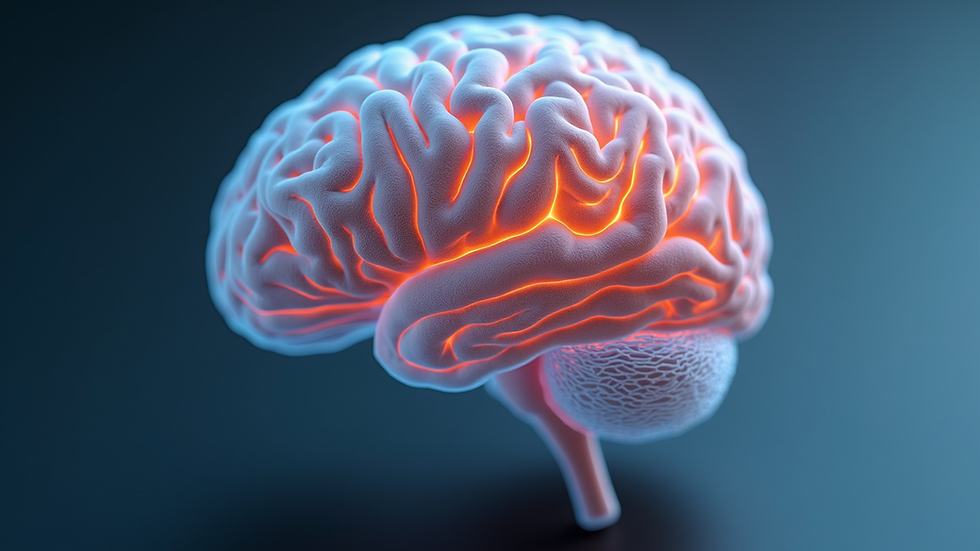
Image caption: Close-up of neural pathways demonstrating how brain plasticity can be targeted for therapeutic interventions.
Practical Examples of Neuroplasticity in Therapy
Several clinical areas are already benefiting from neuroplasticity-guided treatments:
Stroke rehabilitation: Intensive motor training combined with brain stimulation techniques like transcranial magnetic stimulation (TMS) helps patients regain movement by promoting cortical reorganization.
Post-traumatic stress disorder (PTSD): Cognitive training and exposure therapies designed to reshape fear circuits reduce symptoms more effectively than medication alone.
Autism spectrum disorders: Early intervention programs that focus on social and communication skills encourage neural development in relevant brain areas.
Alzheimer’s disease: Cognitive exercises and lifestyle changes aimed at enhancing plasticity may slow cognitive decline and improve quality of life.
These examples show how integrating neuroscience findings into therapy design leads to more targeted, effective treatments.
Challenges and Future Directions
Despite promising advances, several challenges remain:
Individual variability: Brain plasticity differs widely among individuals, requiring personalized treatment plans.
Measuring change: Reliable biomarkers are needed to track neuroplastic changes and treatment progress.
Access and training: Widespread adoption requires training clinicians in neuroscience principles and access to specialized tools.
Long-term effects: More research is needed to understand how durable neuroplasticity-induced improvements are over years.
Future research will likely focus on combining neuroplasticity therapies with genetics, neuroimaging, and artificial intelligence to tailor treatments precisely. Integrating these approaches into standard care could transform outcomes for millions with brain disorders.
Summary and Next Steps
The neuroscience of brain plasticity is reshaping how professionals treat neurological and psychiatric conditions. By understanding and harnessing the brain’s ability to rewire itself, neuroplasticity-based therapies offer a powerful alternative to traditional behavioral methods and pharmaceutical treatments. These therapies focus on changing the brain’s structure and function through targeted training and technology, leading to more lasting improvements.
As research progresses, neuroplasticity-guided treatments will become an essential part of best practices in brain health care. Clinicians and researchers should continue to collaborate, develop personalized protocols, and educate patients about the potential of brain plasticity. For those affected by brain-based disorders, embracing these new approaches offers hope for better recovery and improved quality of life.
The Future of Neuroplasticity in Healing
As we look ahead, the integration of neuroplasticity into therapeutic practices will continue to evolve. The potential for personalized approaches means that treatments can be tailored to individual needs. This personalization is crucial for effective healing.
Incorporating technology will also play a significant role. Tools like virtual reality and neurofeedback can enhance engagement and provide real-time feedback. This interactive element can make the healing process more dynamic and responsive.
Moreover, ongoing research will uncover more about the brain's capabilities. Understanding how different factors—such as genetics and environment—affect neuroplasticity will lead to even more refined treatment strategies.
In conclusion, embracing neuroplasticity not only offers a pathway to healing but also empowers individuals to take an active role in their recovery. By fostering an environment where the brain can thrive, we open the door to profound transformation and lasting change.
For more insights on this journey of healing, consider exploring resources that delve deeper into the mechanisms of neuroplasticity and its applications in therapy. Your path to transformation is just beginning.


Comments