


Harnessing Neuroplasticity: Rewiring Your Brain for Healing from CPTSD Through Vipassana

Complex Post-Traumatic Stress Disorder (CPTSD) often leaves deep emotional wounds that feel impossible to heal. Traditional therapies can help, but many people seek additional ways to support their recovery. One promising approach involves harnessing neuroplasticity, the brain’s ability to change and adapt, combined with the ancient practice of Vipassana meditation. This post explores how rewiring your brain through Vipassana can support healing from CPTSD.
Understanding Neuroplasticity and CPTSD
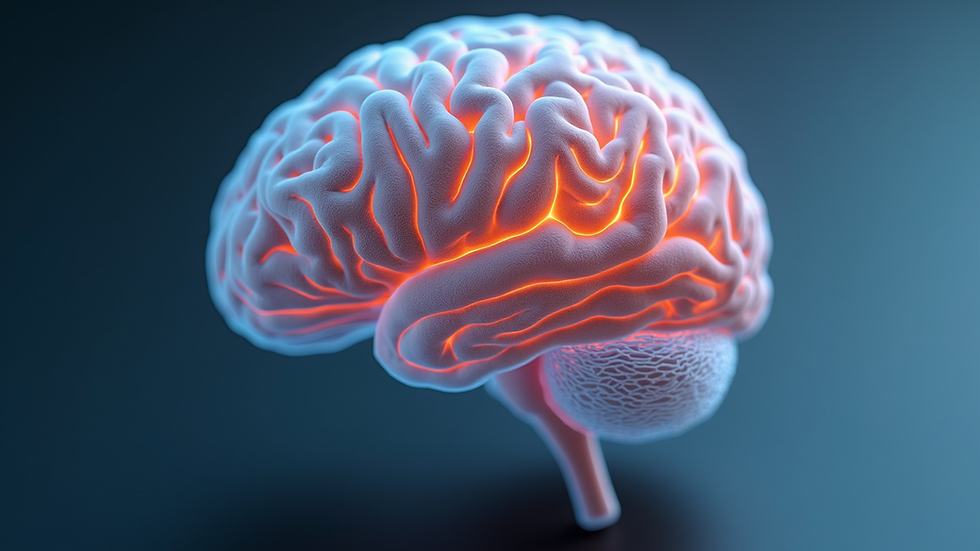
Neuroplasticity refers to the brain’s capacity to reorganize itself by forming new neural connections throughout life. This ability allows the brain to adapt after injury, learn new skills, and change patterns of thought and behavior. For people with CPTSD, neuroplasticity offers hope because it means the brain can gradually shift away from trauma-related responses.
CPTSD develops after prolonged or repeated trauma, often in childhood or abusive relationships. It affects emotional regulation, self-perception, and relationships. The brain becomes wired to expect danger, leading to chronic stress, hypervigilance, and emotional numbness. These patterns can feel automatic and unchangeable, but neuroplasticity shows they are not fixed.
How Vipassana Meditation Supports Brain Rewiring
Vipassana is a form of mindfulness meditation that focuses on observing sensations, thoughts, and emotions without judgment. This practice helps cultivate awareness and acceptance of the present moment. For those with CPTSD, Vipassana offers a gentle way to face difficult internal experiences safely.
Research shows that regular meditation can change brain structure and function. Areas involved in attention, emotional regulation, and self-awareness become stronger and more connected. Vipassana encourages observing trauma-related sensations and thoughts without reacting, which can weaken the automatic fear responses ingrained by CPTSD.
Key Benefits of Vipassana for CPTSD
Improves emotional regulation by increasing activity in brain regions that control impulses and stress responses.
Reduces hypervigilance by calming the amygdala, the brain’s alarm system.
Enhances self-awareness to recognize trauma triggers and habitual reactions.
Builds resilience by fostering acceptance and reducing avoidance behaviors.
Practical Steps to Use Vipassana for Healing
Starting Vipassana meditation can feel intimidating, especially when trauma memories arise. Here are practical tips to begin safely and effectively:
Start with short sessions of 5 to 10 minutes daily, gradually increasing as comfort grows.
Find a quiet, comfortable space free from distractions.
Focus on the breath as the anchor for attention.
When difficult sensations or thoughts appear, observe them without judgment or trying to change them.
If overwhelmed, gently return focus to the breath or take a break.
Consider joining a guided Vipassana course or group to receive support and instruction.
Real-Life Example: Rewiring Through Consistent Practice
A woman with CPTSD from childhood abuse began practicing Vipassana meditation for 10 minutes daily. At first, she struggled with anxiety and flashbacks during sessions. Over several months, she noticed a shift: her reactions to stress became calmer, and she could face difficult emotions without shutting down. Brain imaging studies in similar cases show increased thickness in the prefrontal cortex, the area responsible for executive control and emotional regulation, confirming the rewiring process.
Combining Vipassana with Other Therapies
Vipassana is not a standalone cure but a powerful tool to complement therapy, medication, or other healing methods. Working with a trauma-informed therapist can help integrate insights from meditation into daily life. Therapists can also guide safe exploration of trauma memories that arise during practice.
Tips for Sustaining Neuroplastic Change
Consistency matters: Daily practice strengthens new neural pathways.
Patience is key: Brain rewiring takes time, often months or years.
Self-compassion supports healing: Avoid self-criticism when progress feels slow.
Healthy lifestyle habits like exercise, sleep, and nutrition support brain health.
Mindful living beyond meditation helps maintain new patterns in real-world situations.
Final Thoughts on Healing Through Neuroplasticity and Vipassana
Healing from CPTSD is a complex journey that requires multiple approaches. Vipassana meditation offers a practical way to engage neuroplasticity, helping the brain form new, healthier patterns. By observing thoughts and sensations without judgment, you can gradually reduce trauma’s hold and build emotional resilience.
If you or someone you know struggles with CPTSD, exploring Vipassana meditation alongside professional support may open new pathways to recovery. Start small, stay consistent, and allow your brain the time it needs to rewire toward healing.


Comments