


Neuroplasticity

Updated: Apr 9
Rewiring the Brain: Neuroplasticity and Trauma Healing
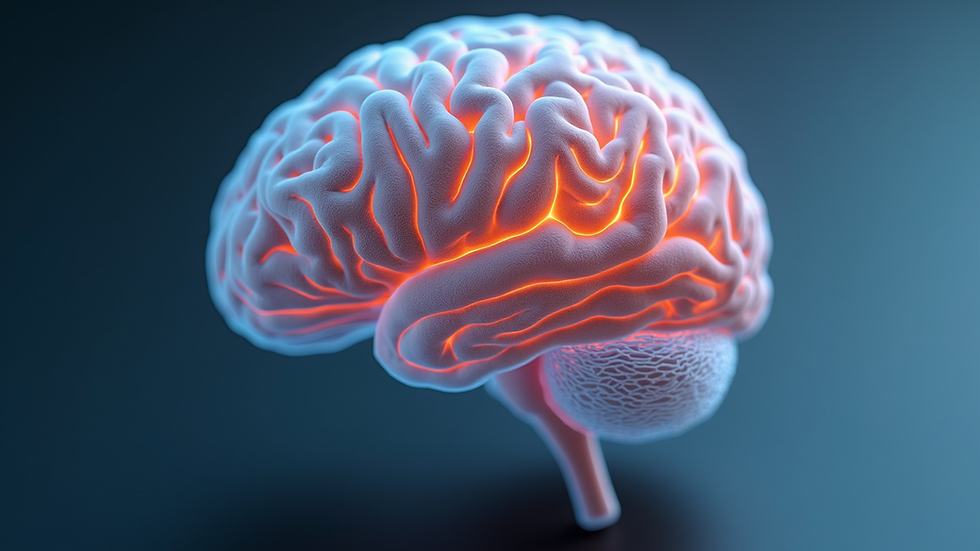
The human brain is not a static organ; it is constantly evolving, adapting, and reshaping itself. This remarkable ability, known as neuroplasticity, is the foundation of healing from trauma. As Dr. Gabor Maté highlights in his work, neuroplasticity gives us hope. No matter our past, our brains can forge new pathways that lead to healing, growth, and resilience.
Understanding Trauma and Its Impact
Trauma, whether from personal experiences or ancestral wounds passed through generations, can leave deep imprints on our nervous system. These imprints often manifest as chronic stress, emotional dysregulation, and patterns of fear or avoidance. You may find yourself reacting in ways that feel out of control. However, neuroplasticity shows that even long-held trauma responses can be rewired.
How Neuroplasticity Supports Trauma Healing
Through consistent, intentional practices, you can reshape your brain's responses. Dr. Maté emphasizes that compassion, curiosity, and safety are essential for this rewiring. Practices like mindfulness meditation help create the calm and presence needed for the brain to form new, healthier pathways.
The Role of Meditation in Healing
Meditation offers a unique pathway to self-regulation. By practicing mindfulness, you learn to observe your thoughts and emotions without judgment. Over time, this practice reduces reactivity, strengthens emotional regulation, and fosters a sense of inner safety—all critical components in healing trauma.
Benefits of Mindfulness Meditation
Mindfulness meditation can transform your relationship with your inner self. It allows you to:
Cultivate awareness of your thoughts and feelings.
Develop a compassionate inner dialogue.
Create a safe space for emotional exploration.
These benefits can lead to profound changes in how you experience life.
Emerging Methods in Trauma Healing
Alongside meditation, new methods such as psychedelic-assisted therapy are gaining recognition for their potential in trauma work. When used in safe, guided settings, psychedelics can enhance neuroplasticity and help individuals process and integrate traumatic experiences.
The Science Behind Psychedelic Therapy
Research shows that psychedelics can promote neurogenesis, the creation of new neurons. This process can facilitate emotional breakthroughs and help you confront deep-seated trauma.
Healing Ancestral Trauma
Ancestral trauma, the emotional pain carried through generations, also responds to neuroplasticity. By consciously engaging in healing practices, you not only transform your own nervous system but also break the cycle for future generations.
Techniques for Addressing Ancestral Trauma
Family Constellation Therapy: This method helps you visualize family dynamics and understand inherited patterns.
Journaling: Writing about your family's history can illuminate connections between past and present.
Rituals: Engaging in rituals can honor your ancestors while promoting healing.
Embracing the Journey of Healing
Healing from trauma is not linear, but neuroplasticity assures us that change is possible. With the right support, tools, and consistent effort, you can rewire your brain, heal old wounds, and create a life of balance and connection.
The Importance of Support
Surrounding yourself with supportive individuals can enhance your healing journey. Whether through therapy, support groups, or trusted friends, connection is vital.
Final Thoughts
As you embark on this journey, remember that healing takes time. Be gentle with yourself. Celebrate small victories along the way. Embrace the process of transformation. You have the power to change your brain and, in turn, your life.
For more resources on trauma healing, visit asafespace.
---wix---


Comments